It’s no secret that the decades following the 1950s haven’t been kind to historic preservation in urban Kansas City. The most prominent clearance of property for parking lots, expanded roads, and new highways was the North Loop (something that’s still referenced by several urbanists as one of the biggest mistakes of the urban renewal period). Other areas of the City outside of Downtown have also been victim to a policy of land clearance with the hopes of building something better. Far too often, this implied policy has failed.
In Downtown, like the Seiden’s Fur Building at 10th and Broadway, the Cosby Building at 9th and Baltimore was once threatened with demolition, but preserved at the last minute. In the mentioned cases, the buildings weren’t necessarily collapsing into the streets but were still public safety threats. They were preserved by people who cared.
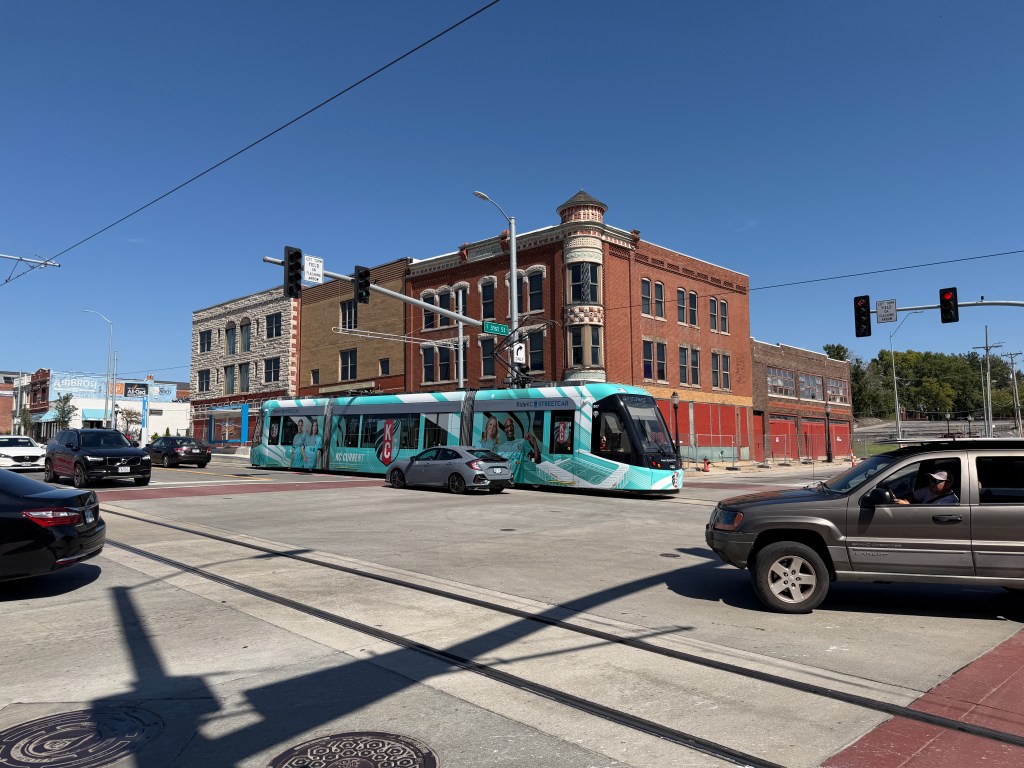
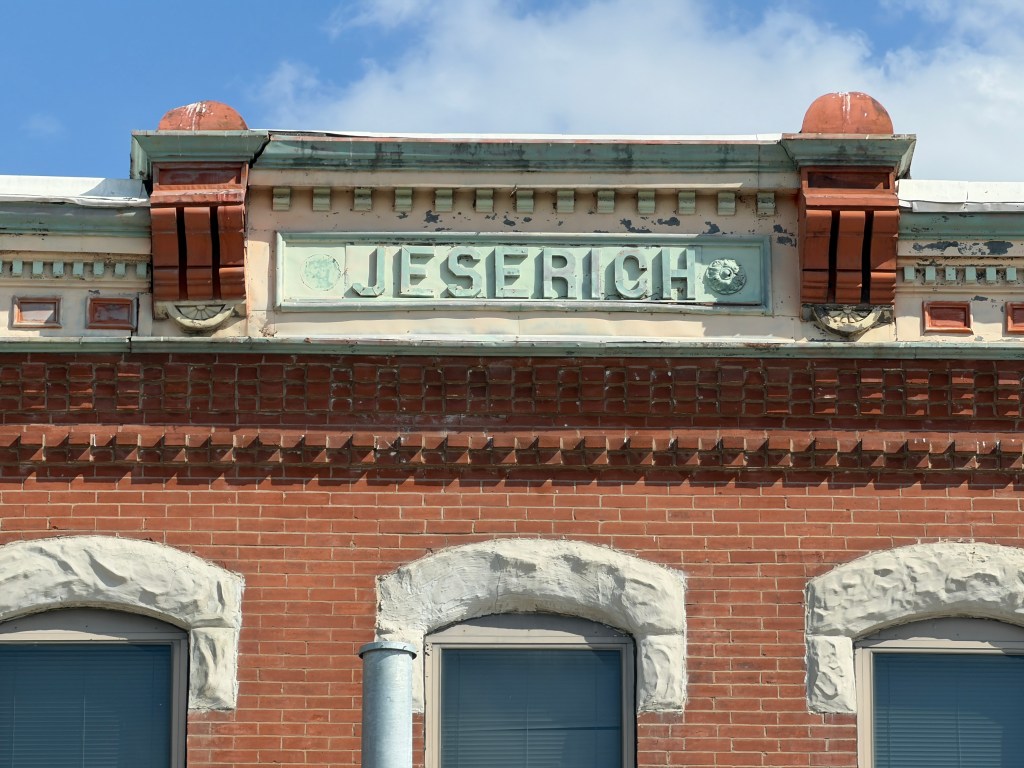
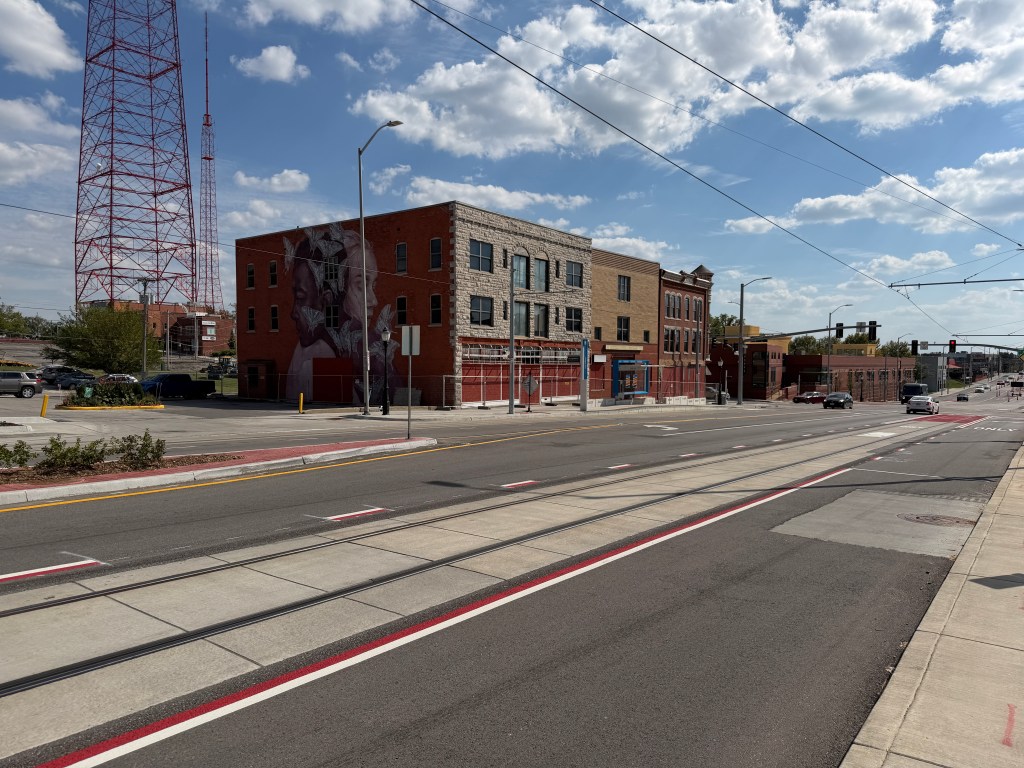
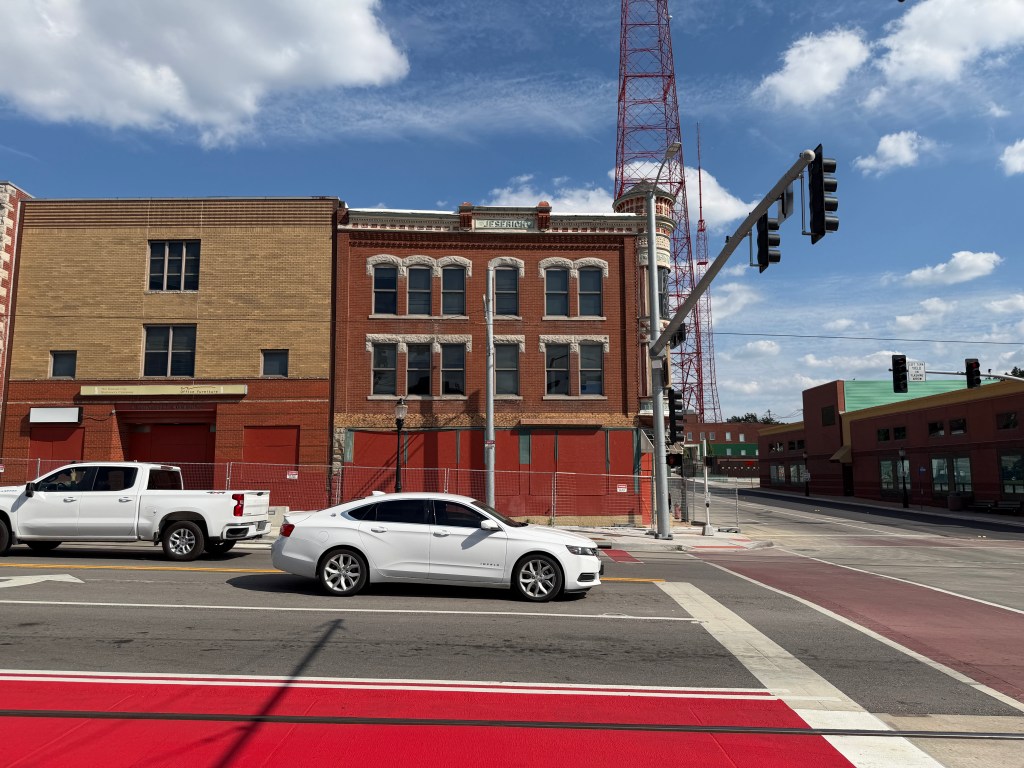
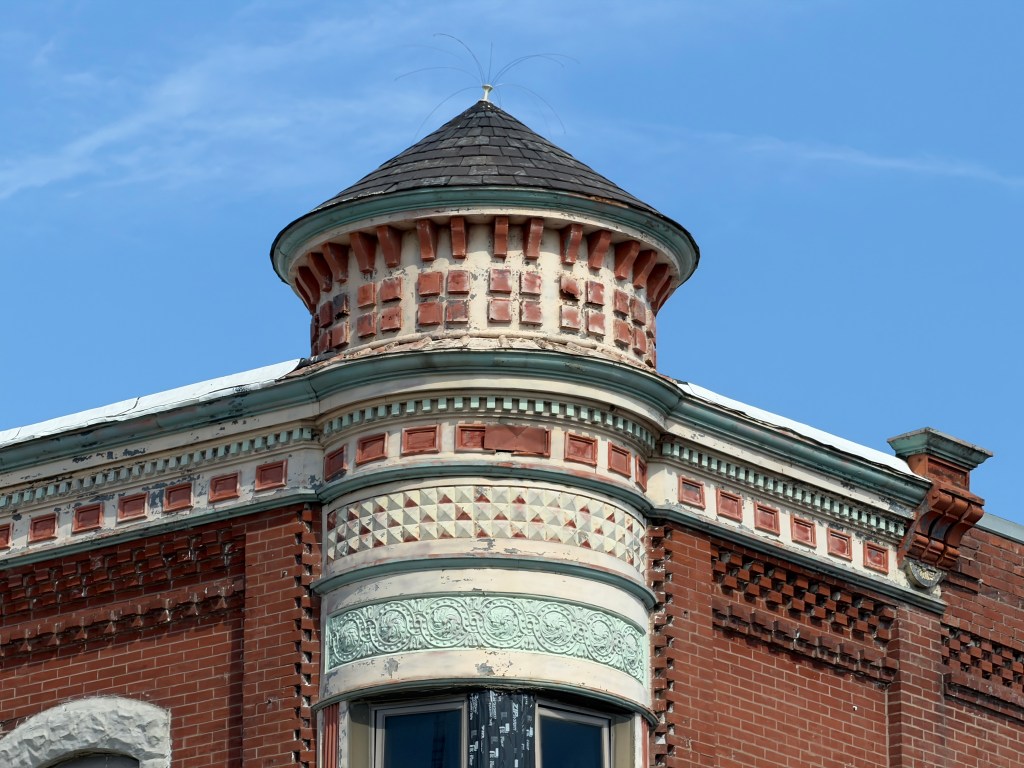
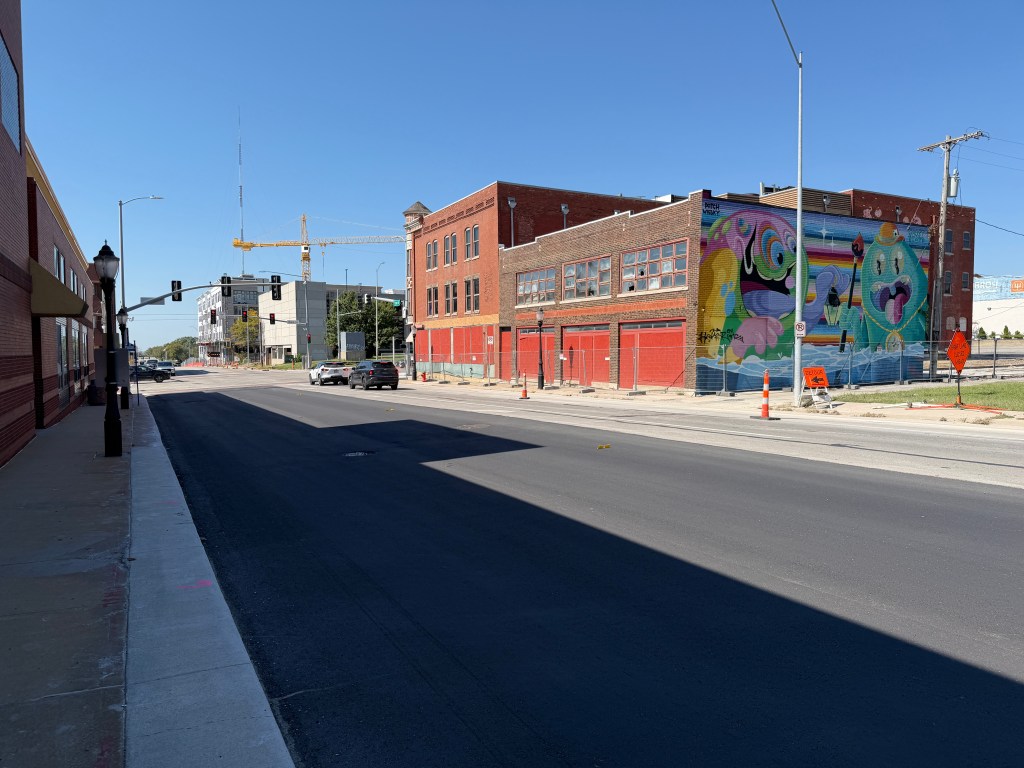
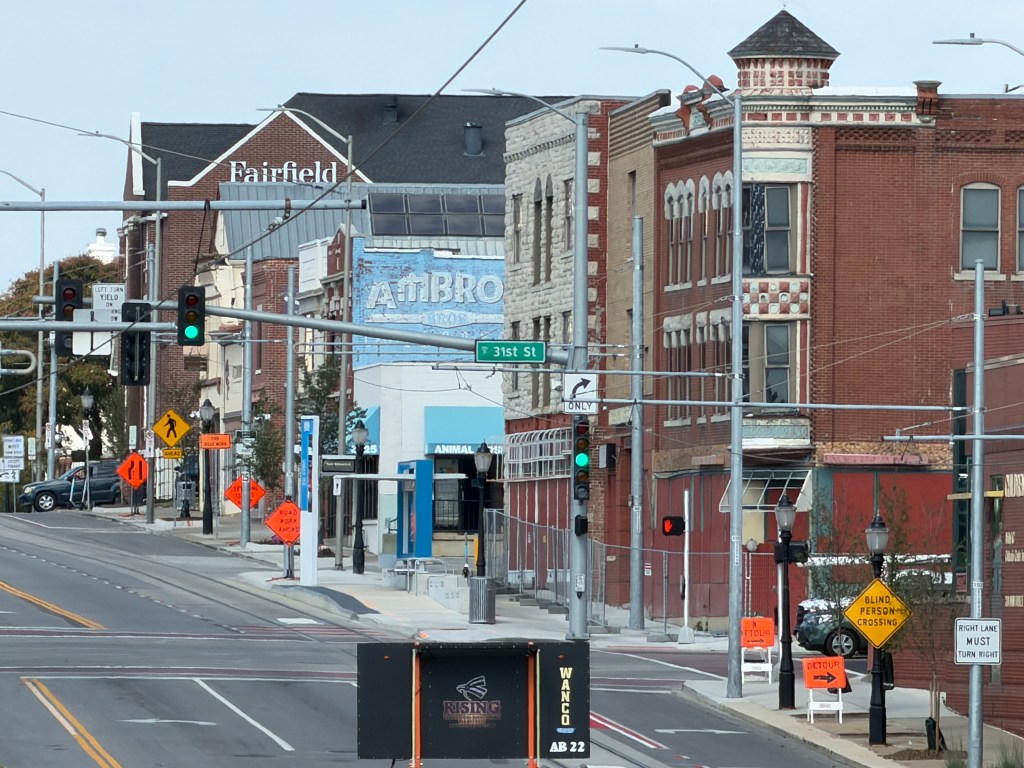
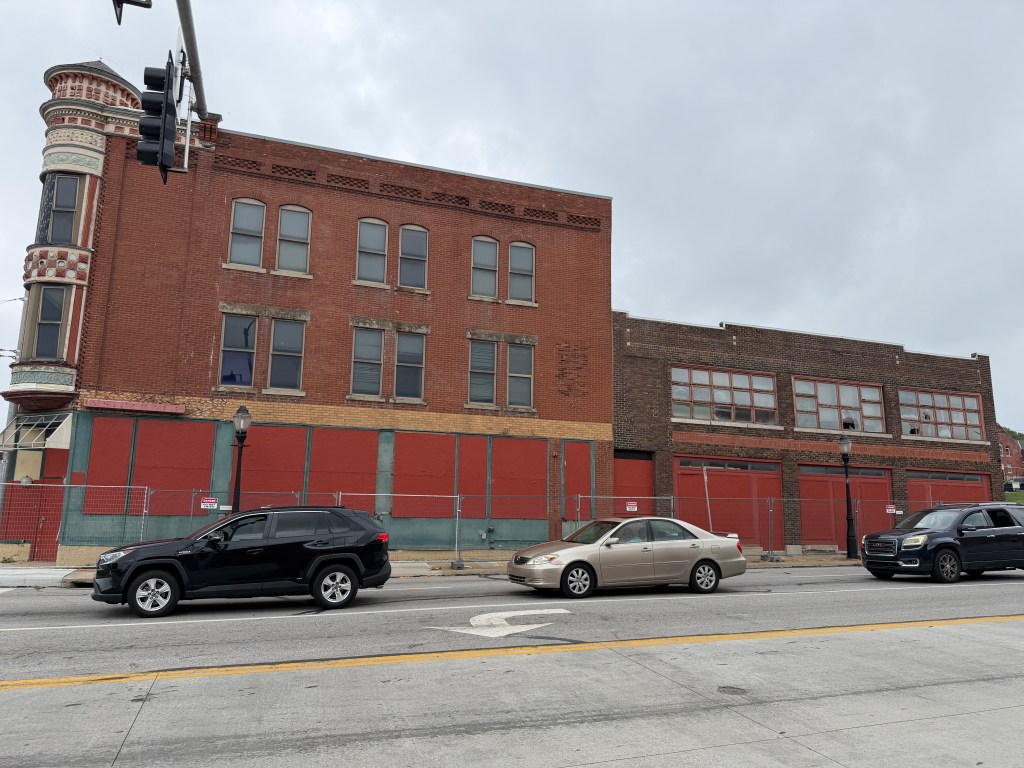
Contrast this with the ongoing situation at 31st and Main. The Jeserich and Ward buildings have stood for over a century at the northeast corner of that intersection. They saw Midtown grow, become a vibrant place, die off, suffer from land clearance, be redeveloped, and saw the original Streetcar system die and be born again.
Claims of the building’s being too far gone to save carry no weight in my opinion. Structural engineers, who returned the claim to the property owner (who owns the Union Hill Animal Hospital), are hired to get the results you want. In a case like this, the Union Hill Animal Hospital wanted the buildings cleared and most paid engineers to deliver such a report justifying the desire.
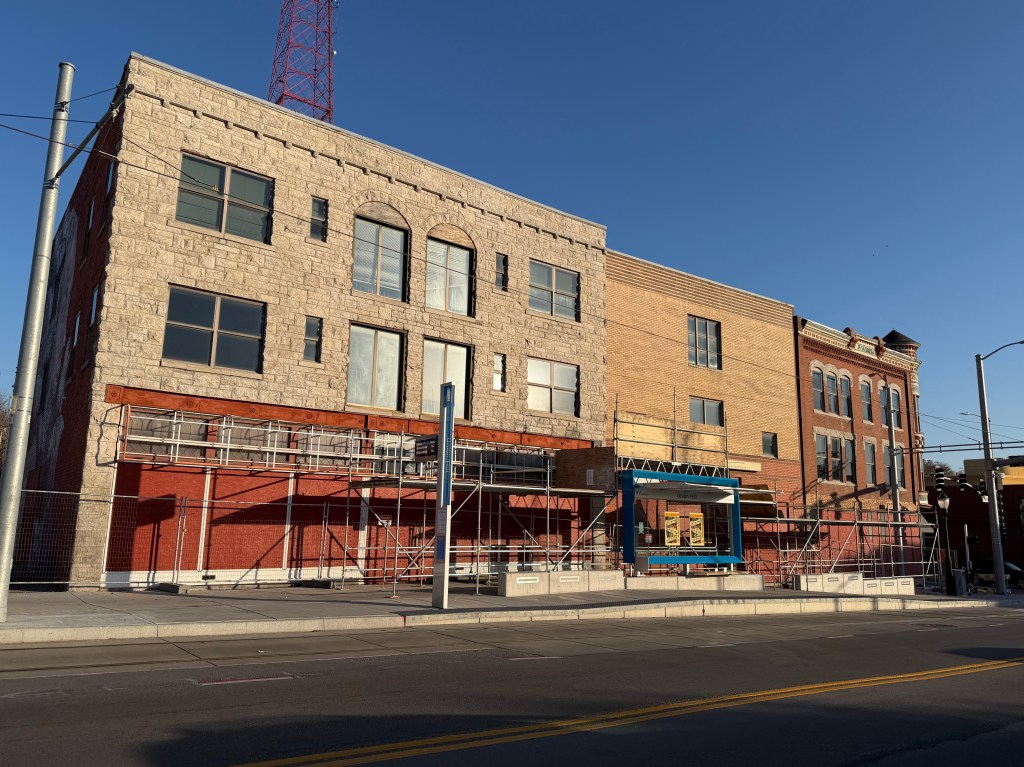
The City went ahead with the claims and approved demolition on the basis of it being a “dangerous building”, but it was more likely that the buildings would be taken down by vandals or a fire rather a standard freeze/thaw cycle (if the blizzard in January and subsequent deep freezes followed by a rapid thaw didn’t take the buildings out, that should tell you something).
The land owner is promising a request for proposals for a significant project on the property, but it’s more likely than not that any proposal chosen for this property will not last as long as the Jeserich or Ward buildings did. Nor will the new buildings carry any of the architectural significance of the existing properties.
Another stipulation of the RFP is the need for an expanded Union Hill Animal Hospital, and there lies the problem. While it’s good for a local business to want to expand, it’s fair to point out that the business has a parking lot that they already owned and could’ve expanded on instead of playing games to justify several building demolitions and insert yourself into a future building on that site via stipulation in the RFP.
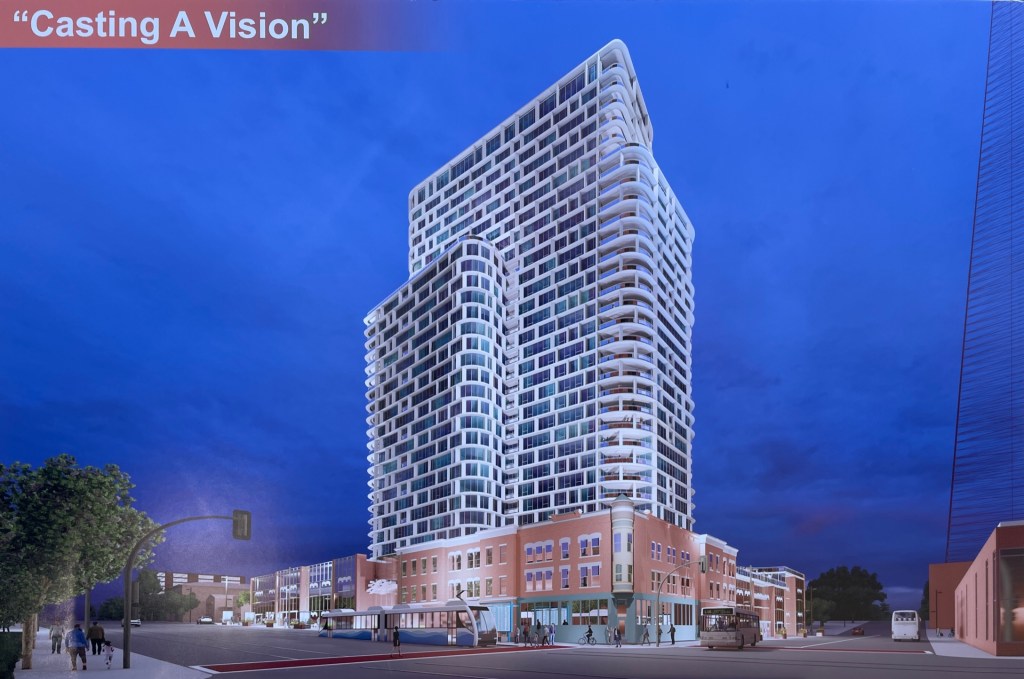
The ridiculousness of this is no different than when Price Management Company (the now apparently defunct company owned by Doug Price) attempted to demolish the buildings in 2022, flashed renderings of a high-rise on this site, and more-or-less insulted residents of the Union Hill neighborhood during a neighborhood meeting on the matter.
The move to demolish was met with significant opposition from neighbors and preservationists alike, which got the City to place the buildings on the Kansas City Register of Historic Places and halt any demolition activity for 3 years. The property then went up for sale and ended up being purchased by the Union Hill Animal Hospital. Unlike the last time though, opposition to the demolition wasn’t as strong. Perhaps people have had their morale beaten down so much as to concede the fact that the 31st Street corridor will be met with another vacant and underutilized lot?
And what better way than to greet visitors, arriving via Streetcar, to Union Hill and Martini Corner with a grass field and two dilapidated parking lots? Sure, the potential Streetcar Lofts project could help with the walk from Main to Gillham, but there’s been no progress made on those infill buildings either.
As I said early, the argument that a building is too far gone to save carries no weight in my opinion. Why? Look to cities like St. Louis and Detroit. Two cities that fell from grace in a way that’s unmatched in this country. Yet, they’ve found ways to preserve/rebuild structures that were in far worse shape than the Jeserich and Ward.
St. Louis’s and Detroit’s Worst Made Some of Their Best
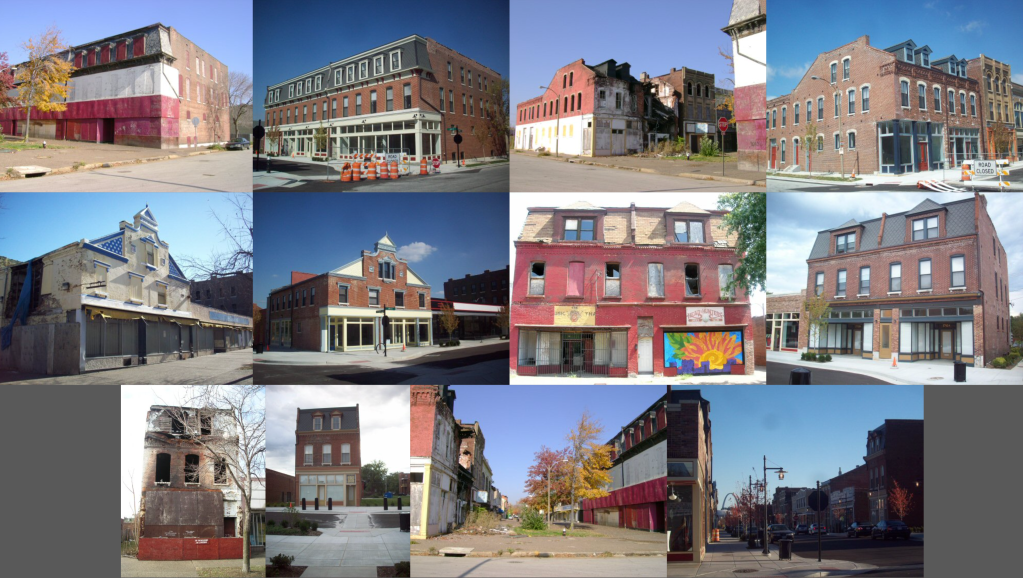
Old North St. Louis is a neighborhood north of Downtown St. Louis and home to Crown Candy, a St. Louis institution. In the early 2000s, North 14th Street was a dilapidated mess. Years of depopulation and disinvestment, coupled with a failed pedestrian mall, created a streetscape that looked more like a scene from the TV Show “Life After People” rather than a neighborhood where people were, and still are, buying old homes and fixing them up. The City of St. Louis, and other partners, ended up removing the pedestrian mall and renovated the old buildings on North 14th between St. Louis Avenue and Warren (a 2-block stretch). As you can see in the photo collage, some buildings were collapsed, but ended up being rebuilt.
The project was feasible thanks to grants, historic tax credits, and other incentives from and collaboration with the City of St. Louis. Today, Old North St. Louis continues to see it’s older homes renovated, but at a slower pace than previous years. North 14th Street continue’s to be the neighborhoods hub with small businesses in multiple store fronts of the renovated buildings. It’s a source of neighborhood pride and a meeting place in a portion of St. Louis that’s still suffering from disinvestment and depopulation of the last 70 years.
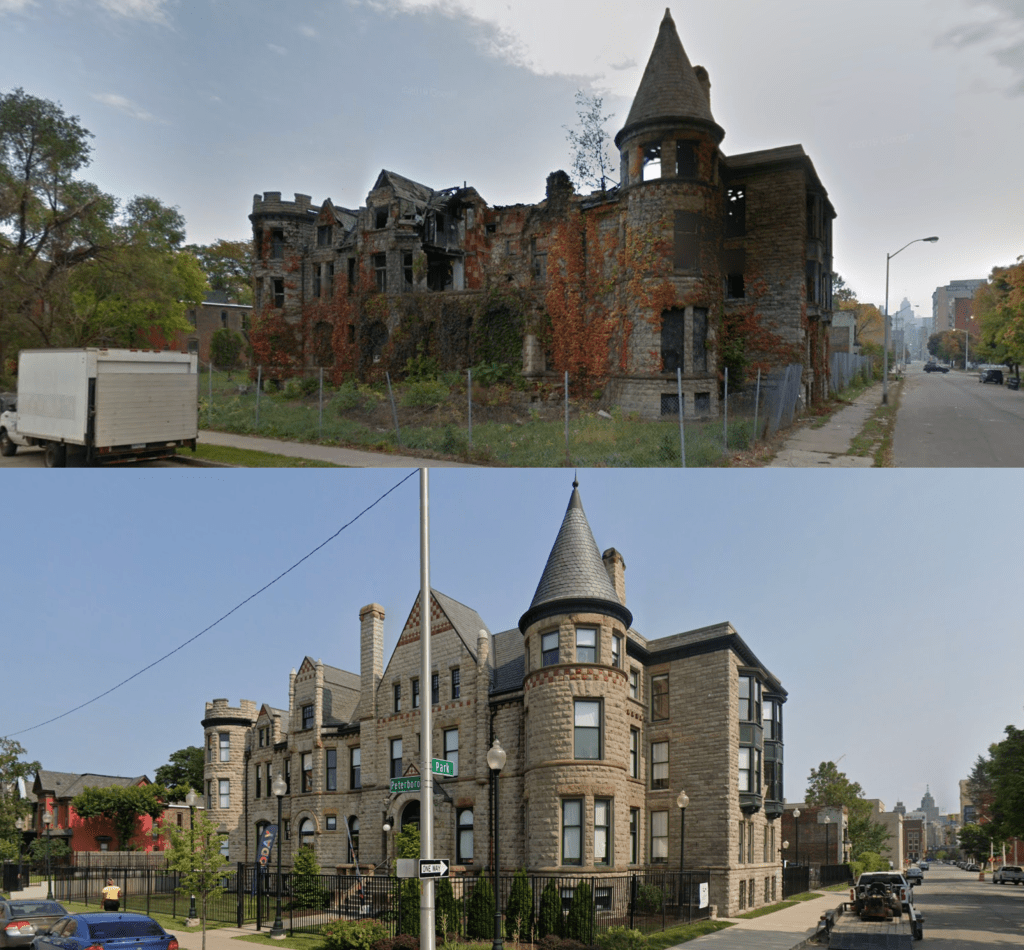
The neighborhoods near Downtown Detroit had long been a place where visitors would pass through to look at the grandeur of abandoned and collapsing mansions and homes. It reminded both Detroiters and visitors about a time when Detroit was both an industrial powerhouse and the richest City in the United States. The automobile, which built Detroit and gave it the nickname “Motor City” was one of the many causes that led to its downfall with residents fleeing for the suburbs and roads needing to be widened all the while the urban core continued to lose population. These grand mansions would eventually go vacant and end up collapsing or burning down. As a result, many have been lost, but some have been saved.
Take for example the James Scott Mansion, a large stone home built in 1887. Prior to being redeveloped into apartments, the home was collapsing and being overtaken by vegetation. Another example would be the Ransom Gillis House. While not as in bad of shape as the Scott Mansion, the home was still in a state of significant repair and was restored in recent years back into original grandeur. Other homes in the area have also seem similar transformation. The Scott Mansion was arguably in the worst shape of them all, but it was nonetheless preserved.
My Point
I’m not against new buildings being built on underutilized lots across Kansas City, or really any municipality in our region. New buildings are genuinely a good thing because they can house new residents, businesses, and even create new hubs for community interaction.
What I have a problem with is a demolition with the “promise” to do something. Far too often have promises been made, but seldomly have they been kept. Kansas City does not have a shortage of land to expand your business on or build something new on, so why demolish just to have even more land?
Is the hope that not needing to redevelop a series of prominent old buildings attracts a developer?
Even with historic tax credits available and, possibly, City tax incentives?
Are we really going to continue allowing demolitions without stipulations that a new development must be approved with letters of financing in hand so that construction can immediately begin following demolition being completed?
Is Kansas City really that weak of a City where cities that have been in a perpetual hell for years can surpass it on the preservation front and still fetch lower rents for every property relative to those KC has?
Is another vacant lot really worth the fewer dollars in tax revenue in a City already in a precarious financial situation?
Or are all these things just too complicated to even start addressing?
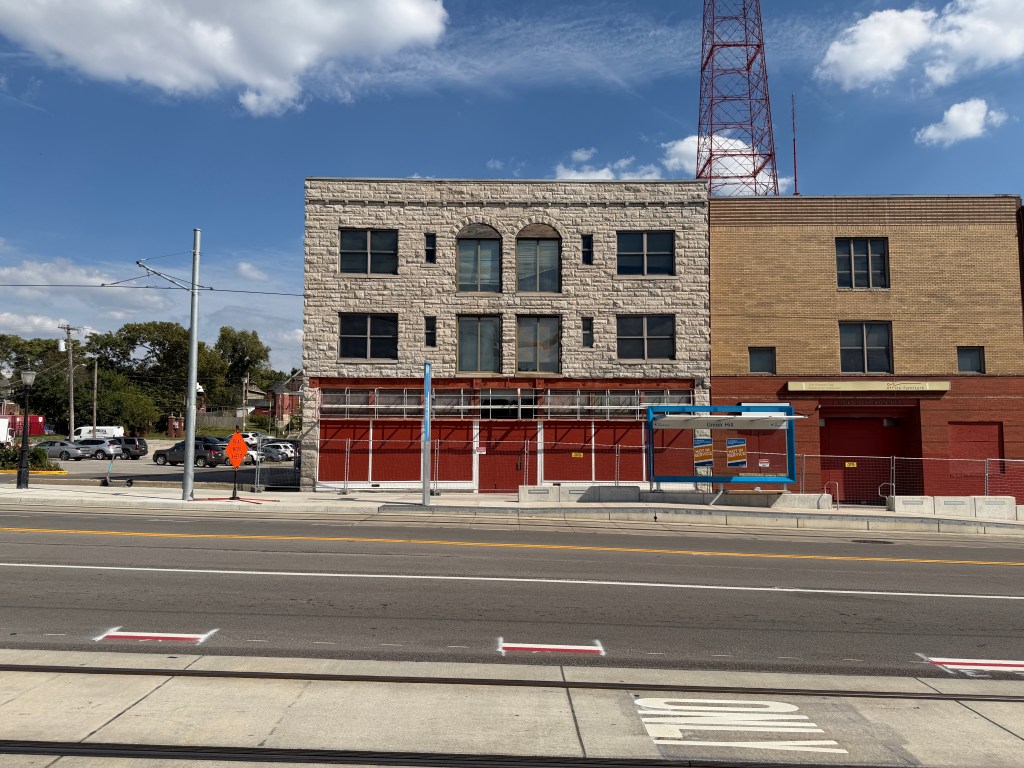
My hunch is that the Jeserich and Ward buildings will become yet another example of demolition for the sake of chasing something positive that never materializes. I hope to be wrong, but its hard to be optimistic when the former Velvet Freeze Building at 31st and Gillham was demolished a few years ago with the promise of a new apartment building going there only for the site to sit fenced and as a partially grassed lot with a dip in it. Same goes for the Weld Wheel Building in the West Bottoms, which was imploded in May of 2024. Or even the overnight rush to approve the demolition of the former Imperial Brewery along I-35 near Cambridge Circle in December of 2023.
The loss of the Jeserich and Ward buildings is yet another loss that can be chalked up to decades of failed policy. And until City Hall finds the will to implement policies that strengthen preservation in the City, and encourages such, then we’ll continue to see demolitions with the argument of the structures being “too far gone” to save. Without our past, there is no foundation for the future.
Without Kansas City’s past, there is no cultural base to build from. We just slowly become a sterile City with fewer and fewer things to identify with.
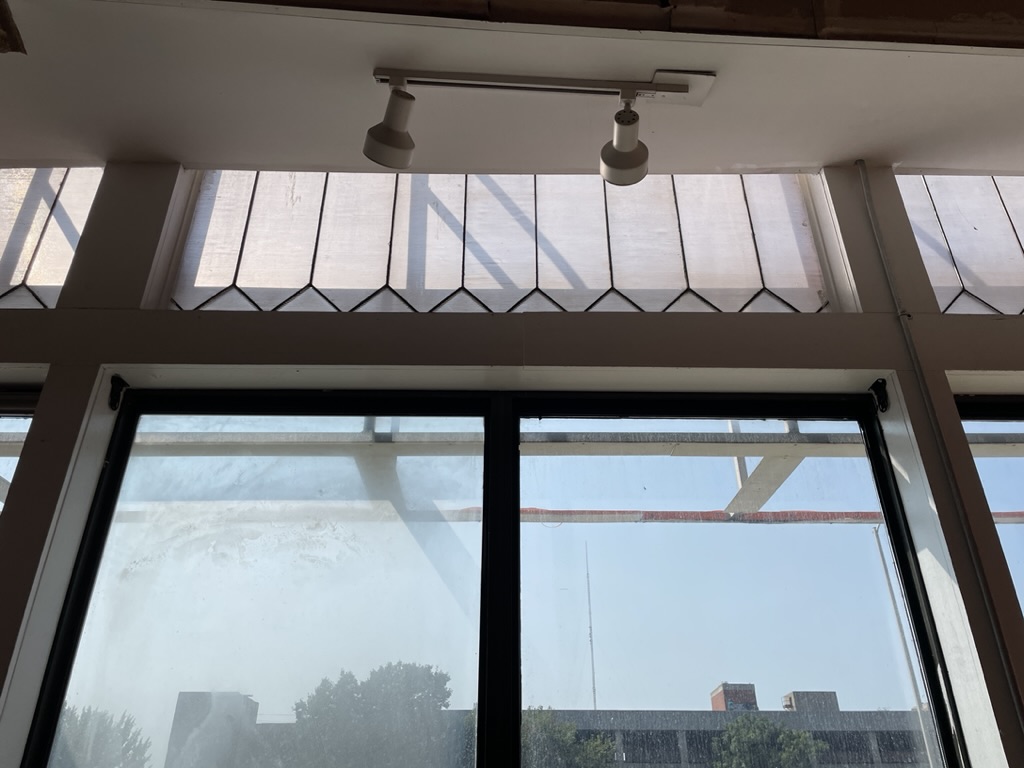
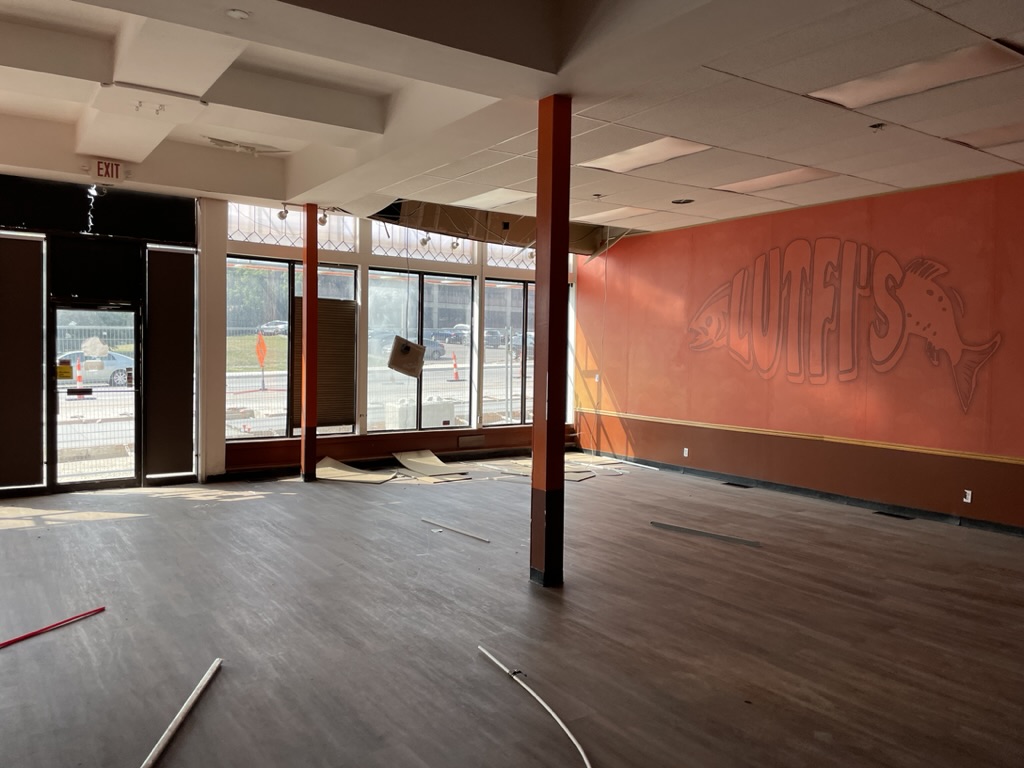
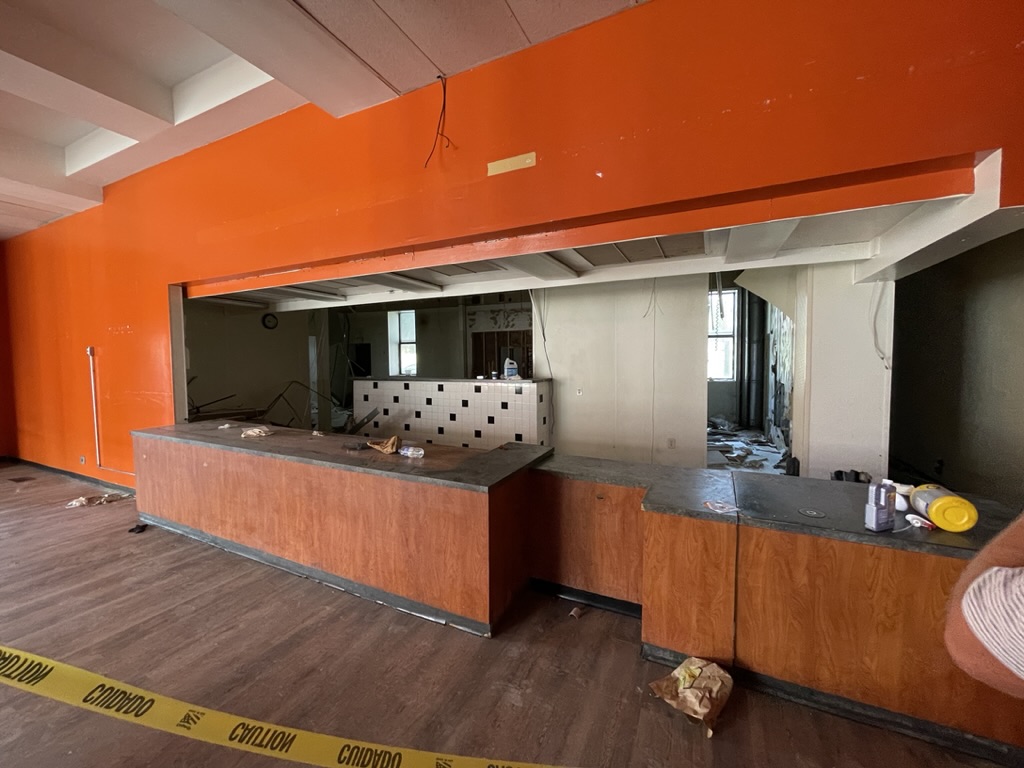
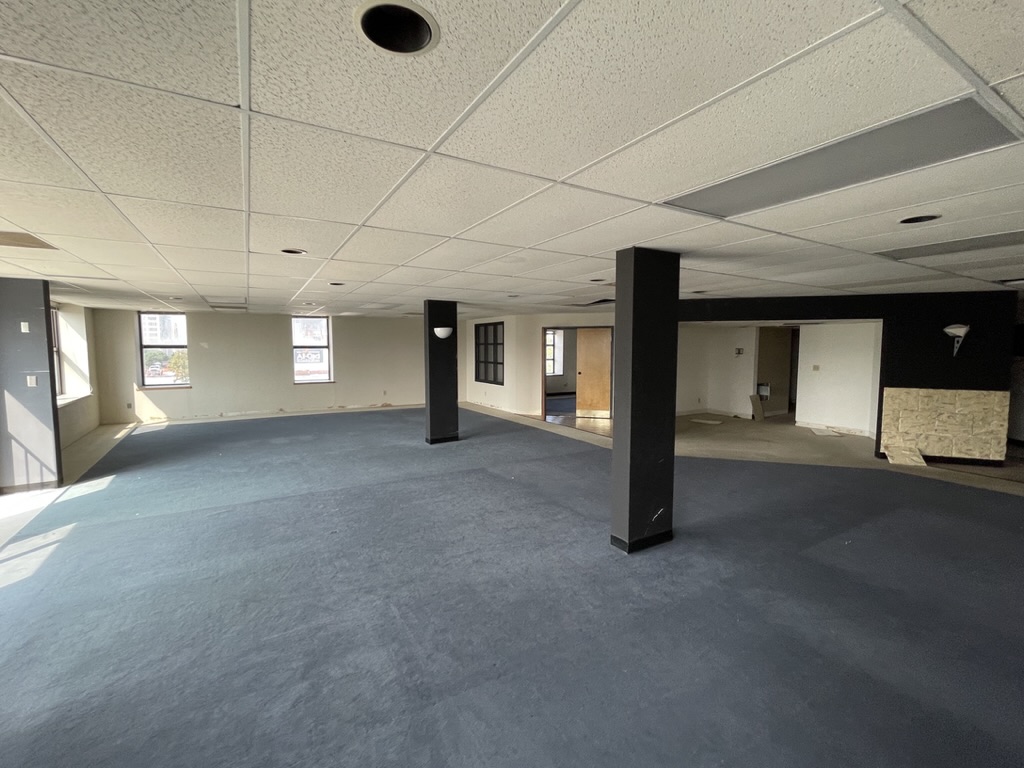
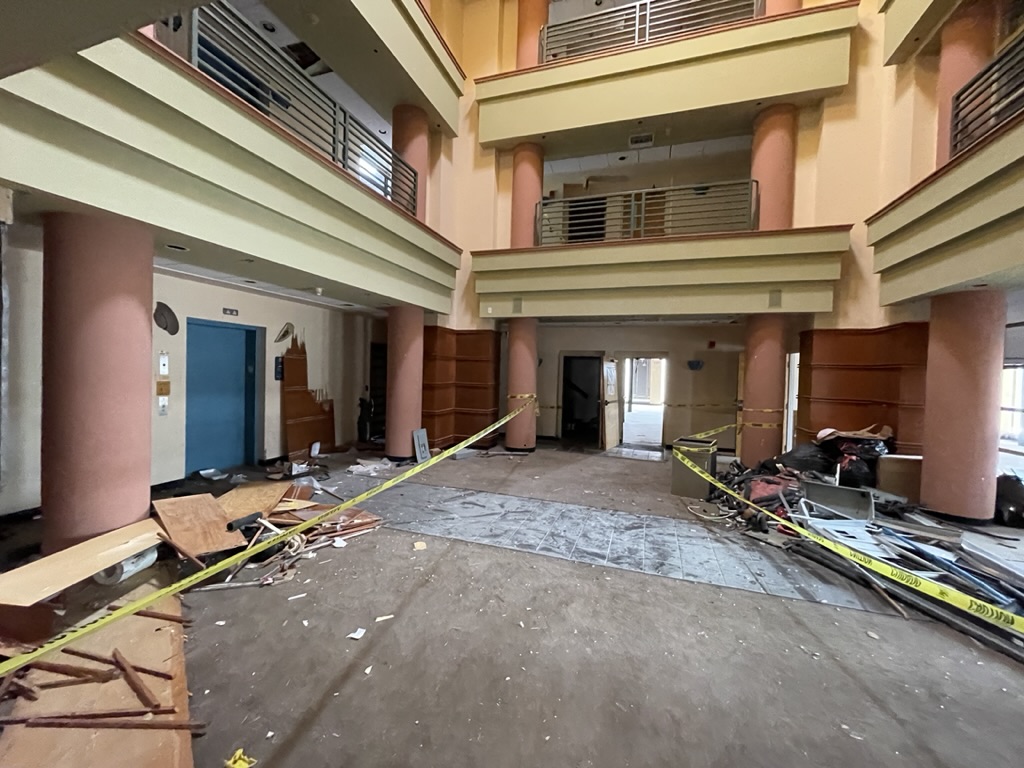
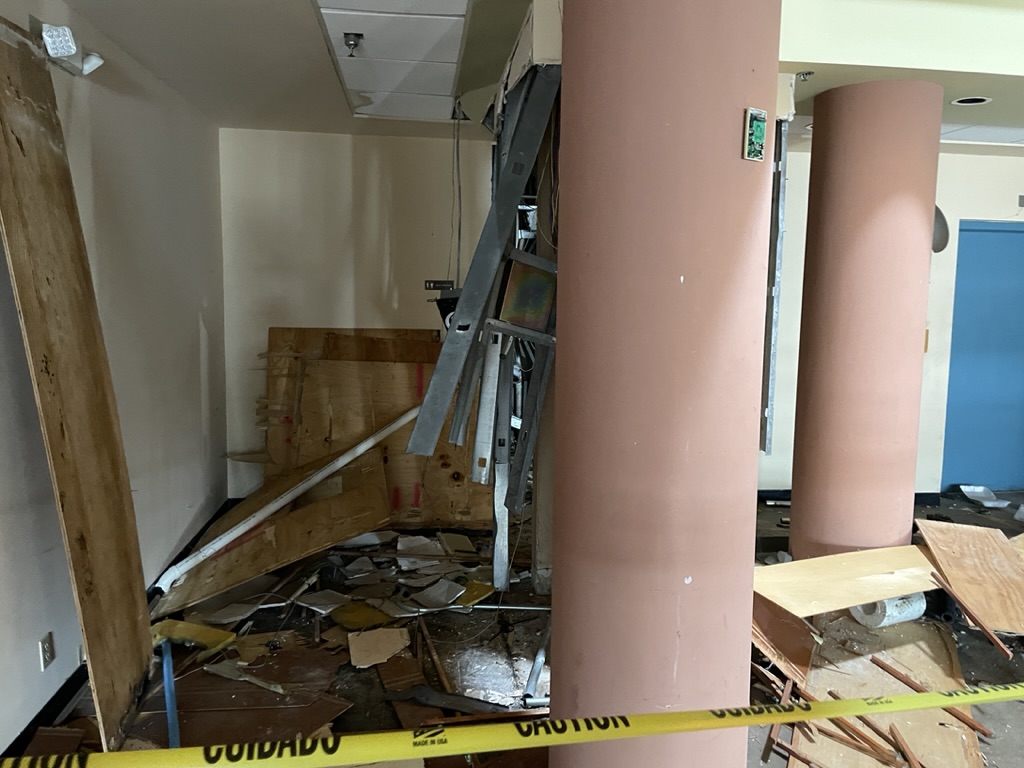
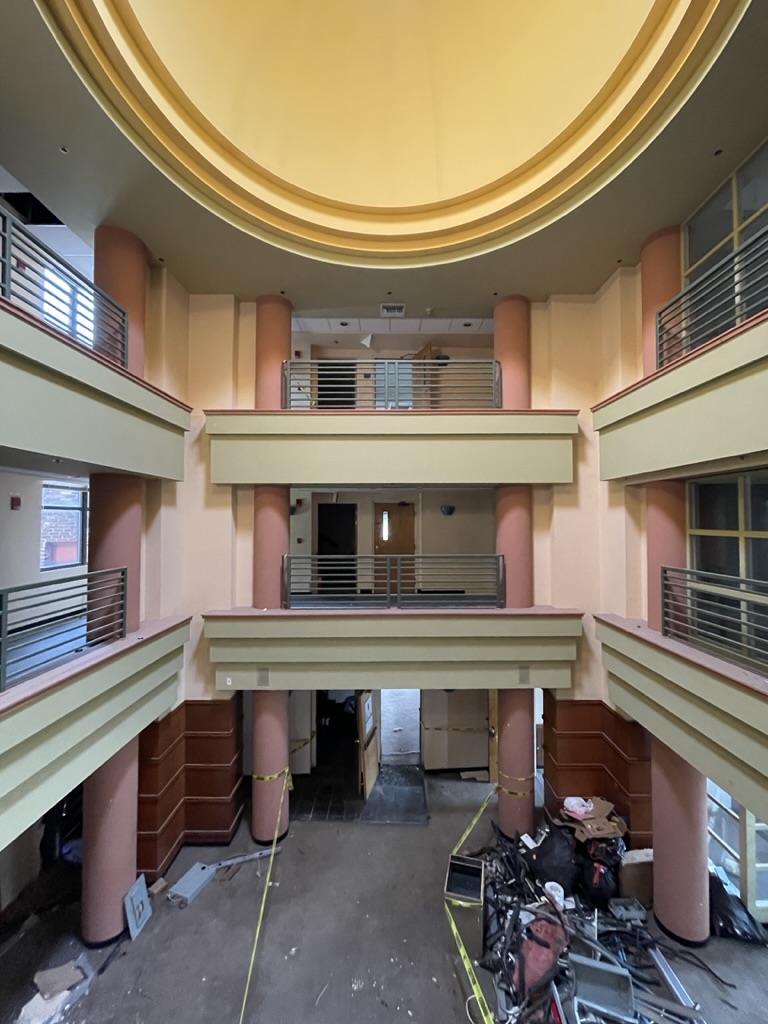
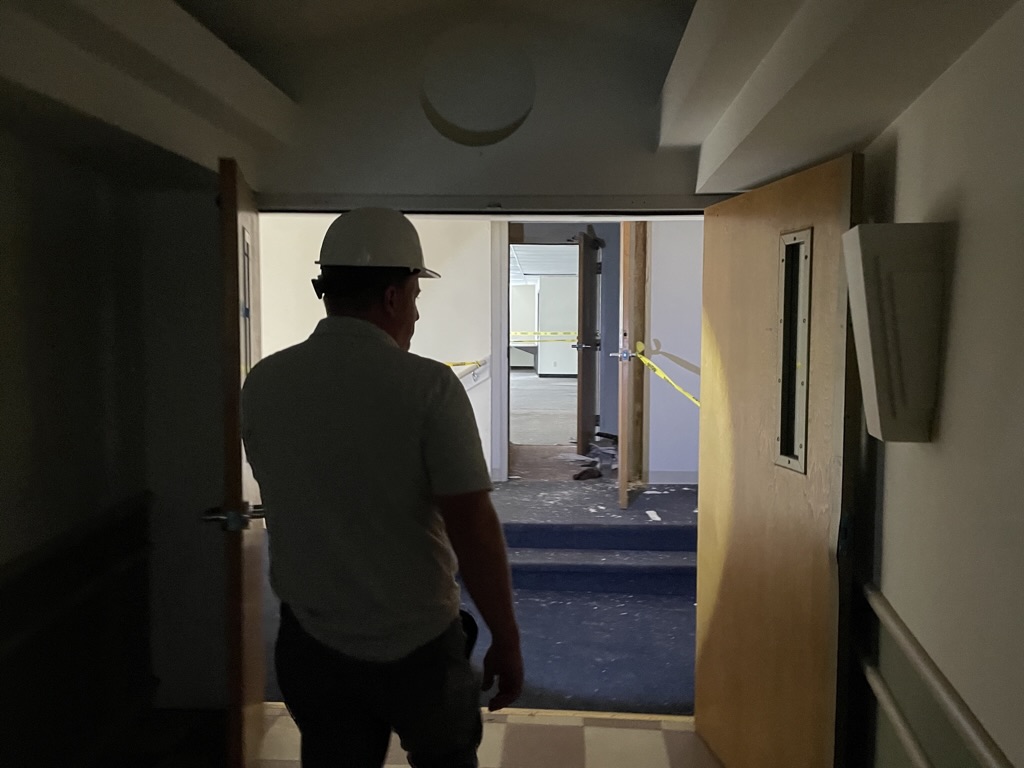
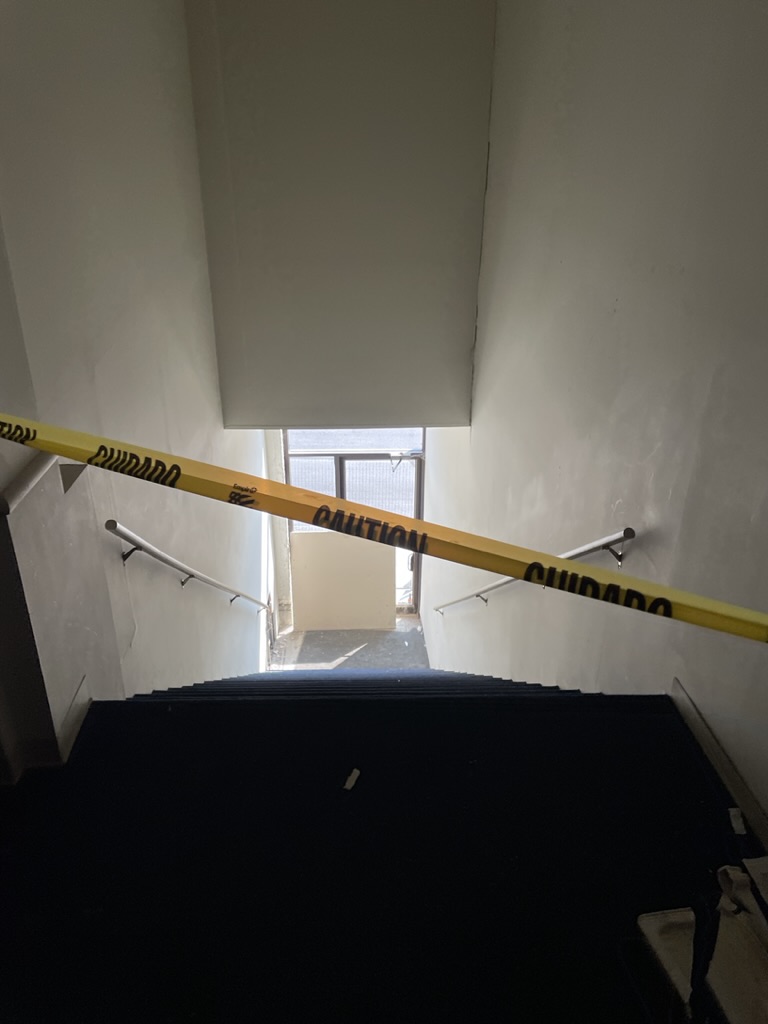
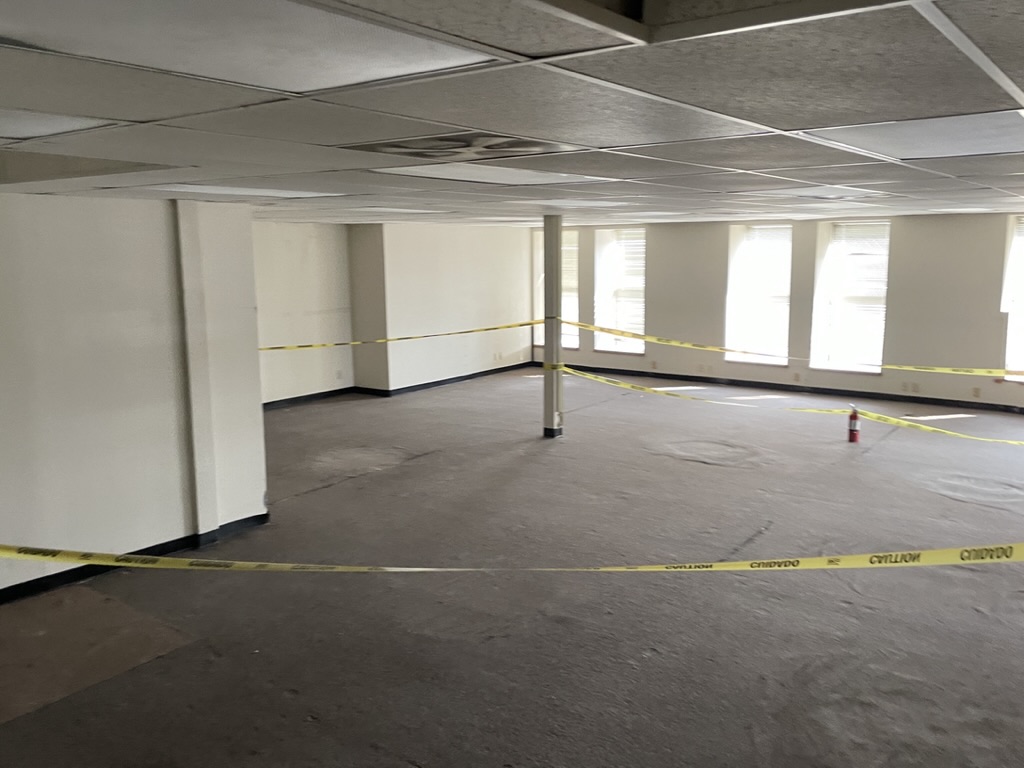
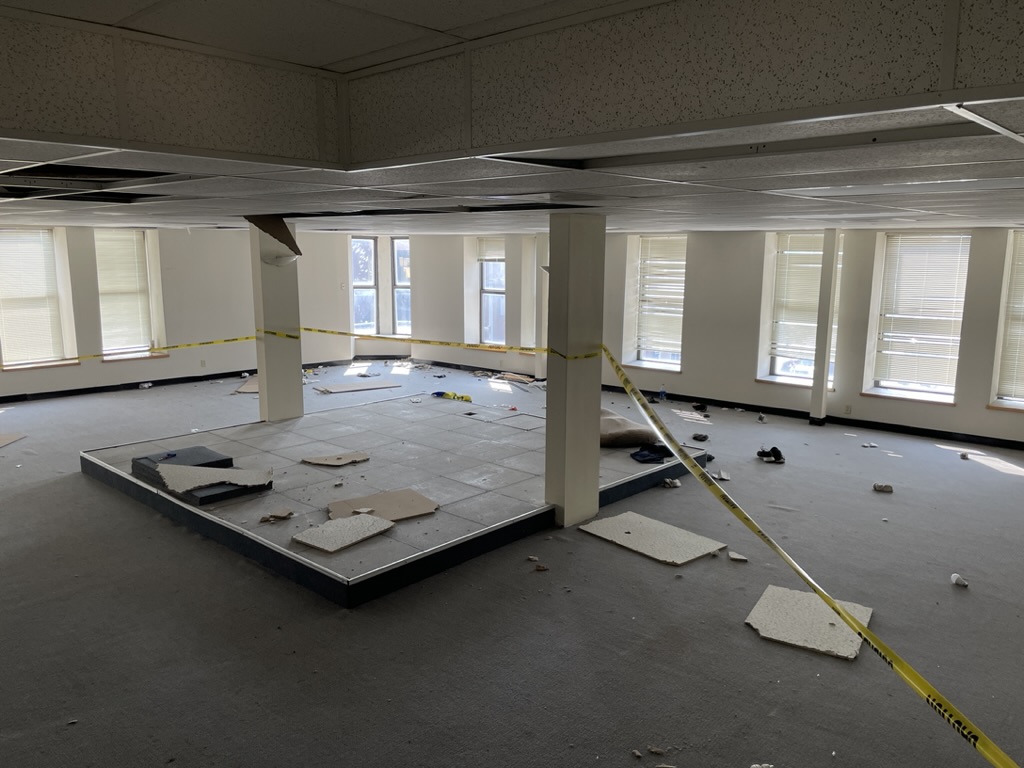
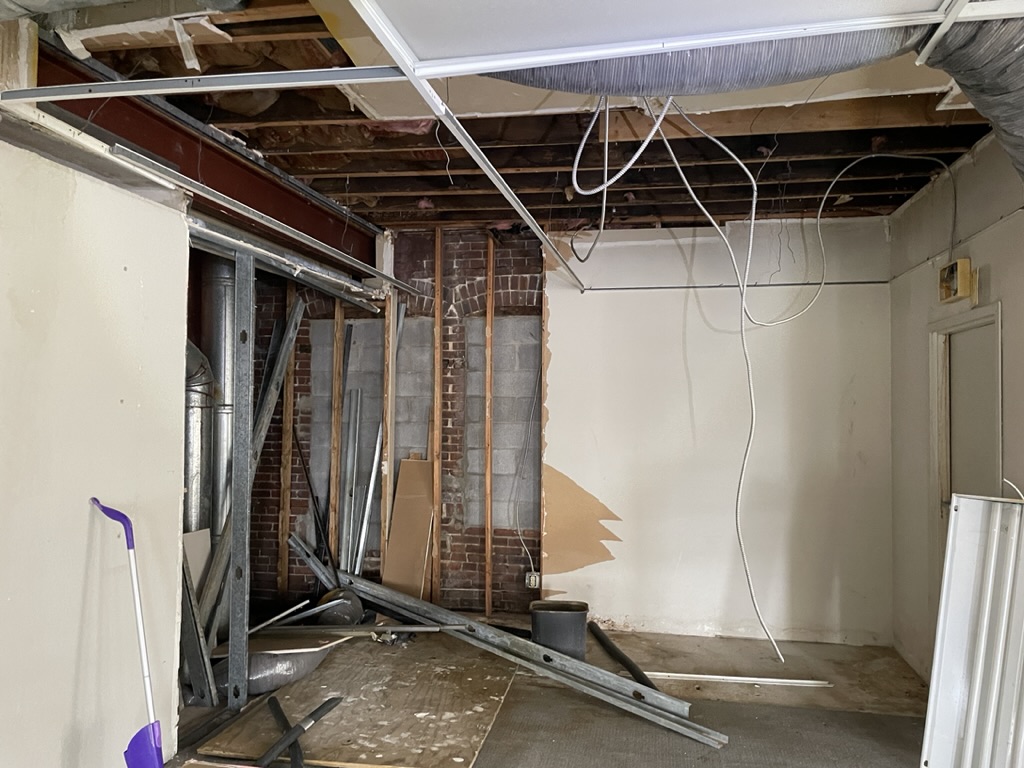
The gallery below features pictures from inside the Jeserich and Ward buildings in 2022. It also includes a few more pictures of the buildings in their final days.
 The KC Pulse
Leave a comment